ServicesCar Extended Warranty
Extended Car Warranty Help for South Houston Drivers
Once factory coverage expires, a broken transmission or dead AC compressor becomes your bill. We match you with an extended warranty that names the parts most likely to fail on your car, truck or SUV, and we walk through the claim process with you before you sign.
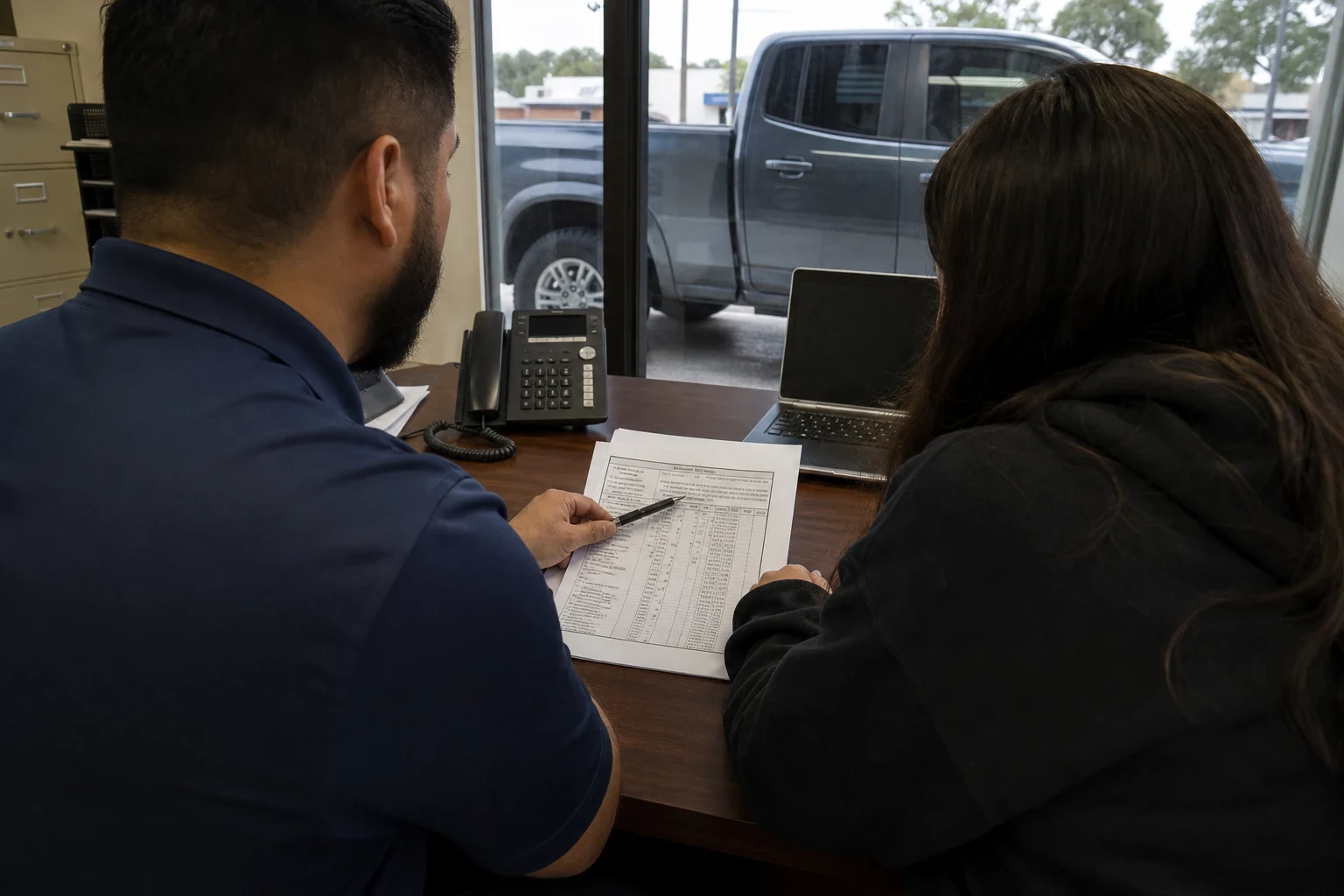
What an extended car warranty pays for
An extended car warranty is really a vehicle service contract. After the manufacturer's coverage ends, it pays the shop for covered mechanical and electrical failures. Crash damage is not part of it, and neither are parts that wear out by design, such as brake pads, tires, wiper blades and clutch discs.
There are two main types. A stated-component contract names each covered part, like the engine block, cylinder heads, transmission case and internal gears. An exclusionary contract pays for everything except a short excluded list, so claims tend to go more smoothly because the shop does not have to search for a part on a list. We help you decide which type suits your vehicle and budget.
It tends to pay off for drivers holding onto a car beyond 60,000 or 100,000 miles, and for families who prefer a steady monthly payment over one big repair bill. If roadside help is your main concern, see our auto protection warranty page.
What we go over with you
Powertrain coverage
The engine, transmission and drive axles are the costliest systems to repair. We confirm whether internal parts like the timing chain, oil pump, torque converter and valve body are named in the contract, since those are where big bills start.
Cooling and air conditioning
Long, hot summers around South Houston are hard on AC compressors, condensers and water pumps. We check whether the plan covers the full AC system or only the compressor, because a leaking evaporator can cost as much as the compressor itself.
Electrical and computer parts
Newer vehicles fail in modules as often as in metal. We look for coverage of the alternator, starter, powertrain control module, power window motors and sensors.
Deductible and payment structure
We explain whether the deductible applies per visit or per repair, and we lay out flexible payment options so the monthly cost fits your budget.
Roadside assistance
Many plans include towing, jump starts and lockout help. We show you what is included and how to use it when your car will not start.
Signs an extended warranty makes sense for you
Your factory warranty is ending
Most bumper-to-bumper coverage ends around three years or 36,000 miles. Buying before it lapses usually gives you more plan choices, since the vehicle has a cleaner history.
The odometer is climbing past 80,000
Seals harden, bearings wear and transmission fluid breaks down with miles. This is the stretch where water pumps, wheel bearings and CV axles start to go.
One repair would strain your budget
If a single transmission rebuild would mean borrowing money, spreading that risk into monthly payments can be easier to plan around.
You drive a model with a known weak spot
Some engines and transmissions have a reputation for specific failures. A contract that names those parts can be worth more than a cheaper, thinner plan.
How getting covered and filing a claim works
- 1
Talk through your vehicle
You call us with the year, make, model and current mileage. We ask how you drive and how long you plan to keep it, then compare plans that match.
- 2
Read the contract together
We point out the exclusions, any waiting period before coverage starts and the maintenance the contract requires. No surprises later about what was in the fine print.
- 3
Keep your records
Save every oil change and service receipt with the date and mileage. When a claim comes in, the administrator often asks for these to rule out neglect, so a folder in the glove box does real work.
- 4
When something breaks
Take the car to a repair shop your contract accepts and have them call the contract administrator before teardown. The shop diagnoses the failure, the administrator approves the covered parts and labor, and you pay your deductible. We can help you understand each step and what to ask if a part is denied.
What moves the price of an extended warranty
No two quotes come out the same, because the price reflects how likely your car is to need covered repairs and how much those repairs cost. We explain each factor on your quote so you can see where the money goes and adjust it.
- Age and mileage
- An older, high-mileage vehicle is closer to the age when parts fail, so the contract costs more. Coverage is still available for many older cars.
- Make and model
- Vehicles with expensive parts, like turbocharged engines or all-wheel-drive transfer cases, cost more to cover than simpler designs.
- Coverage level
- A powertrain-only plan costs less than an exclusionary plan that also covers electronics, AC and suspension.
- Deductible and term
- A higher deductible lowers the price. A longer term in years or miles raises it but spreads protection further.
Common extended car warranty questions
Something not covered here? (832) 761-4611
Does an extended warranty replace my car insurance?
No. Your insurance handles accidents, theft and weather damage. An extended warranty handles mechanical and electrical failures that happen in normal driving. Drivers who buy one still keep their regular insurance.
Am I able to keep my current mechanic?
Usually, yes. Most contracts accept any repair facility that meets the administrator's standards, whether a dealer or an independent shop. The shop has to get the administrator's approval before the repair begins. We check that rule for the plan you pick.
Why would a claim be turned down?
Usually because the part is not on the list, the problem existed before coverage, or there are no maintenance records proving the failure was not from neglect. An engine that overheated after a coolant leak was left alone is a common case. Saving receipts and dealing with warning lights quickly helps your claim.
Is my car past the age limit for coverage?
Often not. Plenty of plans take vehicles well beyond 100,000 miles, though there are fewer options and the cost goes up. Tell us the mileage and we will give you a straight answer on what you can get.
How do monthly payments work?
Flexible payment options let you split the contract cost across several months rather than paying in one lump sum. We review the payment schedule with you before you sign anything.
See what coverage for your car would cost
Keep your VIN and mileage nearby, and we will line up plans with you and explain what each one pays for. Drivers from Pasadena to Pearland call us for the same plain answers.